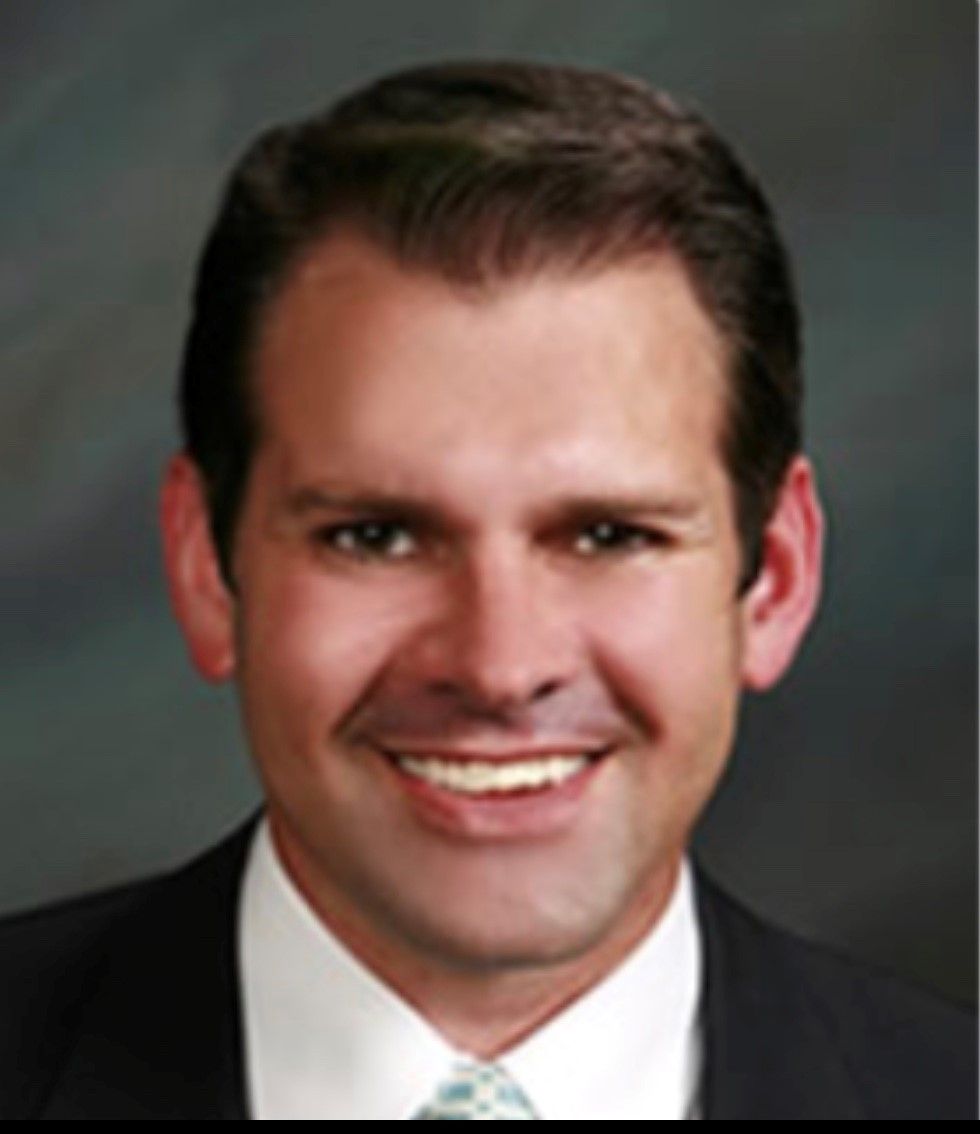
Cardiac health is a complex field that has greatly benefited from technological advancements, especially in the area of heart rhythm management. Dr Ian Weisberg, a leading expert in cardiac electrophysiology, is at the forefront of exploring and implementing life-saving cardiac devices that help patients with arrhythmias and other heart rhythm disorders live healthier, more secure lives.
Understanding Cardiac Devices
Cardiac devices are used to regulate, monitor, or correct abnormal heart rhythms. The most common include pacemakers, implantable cardioverter-defibrillators (ICDs), and loop recorders. Dr. Weisberg specializes in assessing patients’ specific needs and determining which device is the best fit.
“A pacemaker is typically used when the heart beats too slowly,” Dr. Weisberg explains. “It delivers small electrical impulses to maintain a normal rhythm.” On the other hand, ICDs are designed to detect dangerously fast heart rhythms and deliver shocks if necessary to prevent sudden cardiac arrest.
Loop recorders, another innovation, are implanted under the skin to continuously monitor heart activity for months or even years. These devices are particularly useful for diagnosing elusive arrhythmias that aren’t caught during short-term testing.
The Implantation Process
Thanks to technological advances, device implantation is now a minimally invasive procedure, often done on an outpatient basis. “The procedure typically takes less than an hour,” says Dr. Weisberg. “Patients usually return to their normal activities within a few days.”
Dr Ian Weisberg and his team take great care in pre-procedure planning and post-procedure monitoring, ensuring each device is calibrated to the patient’s unique physiology and lifestyle needs.
Remote Monitoring: A Game-Changer
One of the most impactful developments in cardiac device technology is remote monitoring. Devices can now transmit data wirelessly to a secure system, allowing physicians like Dr. Weisberg to track heart rhythms in real-time. “This gives us the ability to spot issues before they become emergencies,” he explains. “It’s a huge step forward in proactive care.”
Remote monitoring also provides peace of mind for patients, reducing the need for frequent in-office visits and catching potential problems early.
Educating Patients and Promoting Confidence
For Dr Ian Weisberg, patient education is just as important as the device itself. He ensures his patients understand how their device works, what to expect, and how it improves their quality of life. “When patients are informed, they feel empowered,” he says. “And that confidence contributes to better outcomes.”
With compassion, cutting-edge knowledge, and a dedication to excellence, Dr. Ian Weisberg continues to lead the way in the world of cardiac devices—offering hope and healing, one heartbeat at a time.