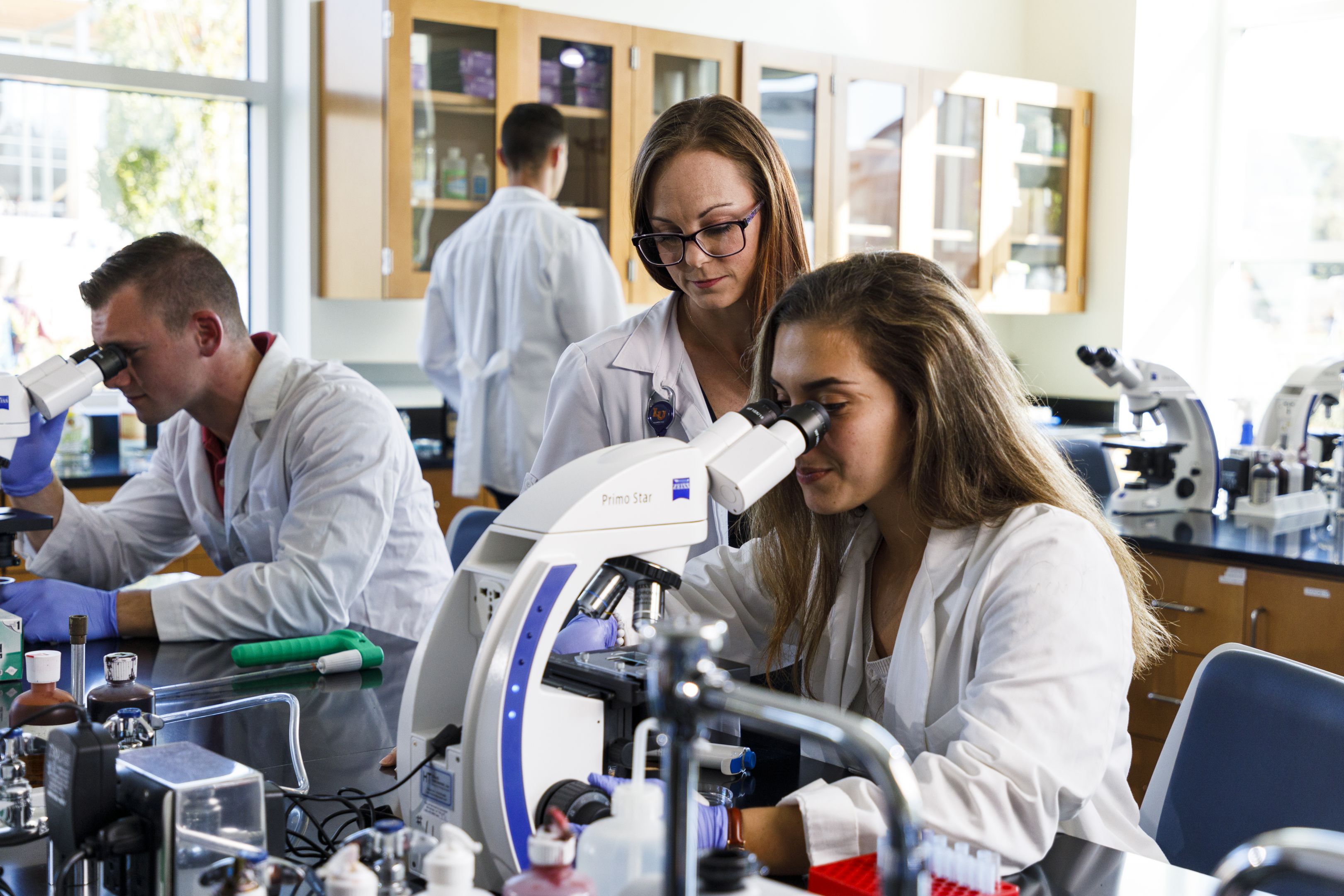
Medical science plays a foundational role in preparing students for careers in healthcare through structured, graduate-level education. As a platform for academic and professional growth, the masters degree in biomedical sciences program provides a comprehensive curriculum that aligns closely with the requirements of medical, dental, pharmacy, and other professional health schools.
At the core of this program is an emphasis on biomedical knowledge—covering physiology, pharmacology, microbiology, and biochemistry—delivered at a pace and depth similar to what students will encounter in professional programs. This approach not only supports students in strengthening their academic credentials but also develops the critical thinking and scientific literacy necessary for clinical success.
A masters degree in biomedical sciences enables learners to build upon prior undergraduate training while developing advanced competencies in scientific research and evidence-based analysis. Students participate in structured labs, clinical case studies, and faculty-guided research projects that mirror real-world applications. These experiences promote readiness for further education while also offering valuable insights into the practical demands of modern healthcare environments.
What makes this graduate-level pathway particularly strategic is its alignment with evolving healthcare needs. As health systems expand their focus on prevention, early diagnosis, and integrated care models, there is growing demand for professionals who possess both strong scientific foundations and the ability to interpret and apply emerging medical data. Programs in medical science directly address this by offering coursework that emphasizes translational science, diagnostic reasoning, and patient-centered approaches.
In addition to academic and clinical alignment, the master of science in medical science is often designed to be flexible and accessible. Many institutions now offer hybrid or online options to accommodate working professionals, career changers, or those preparing for entrance exams. This accessibility expands opportunities for qualified individuals to pursue graduate education and contribute meaningfully to health care for all communities.
Graduates of these programs typically report increased competitiveness when applying to professional schools, enhanced confidence in their academic abilities, and a clearer understanding of their long-term career goals. The foundation laid by a strong medical science curriculum supports lifelong learning and ongoing contributions to healthcare improvement through both practice and research.
In summary, medical science serves as a strategic, academically rigorous platform for aspiring healthcare professionals. By bridging foundational knowledge with research and clinical relevance, this graduate pathway plays an essential role in shaping tomorrow’s leaders in health and science.
